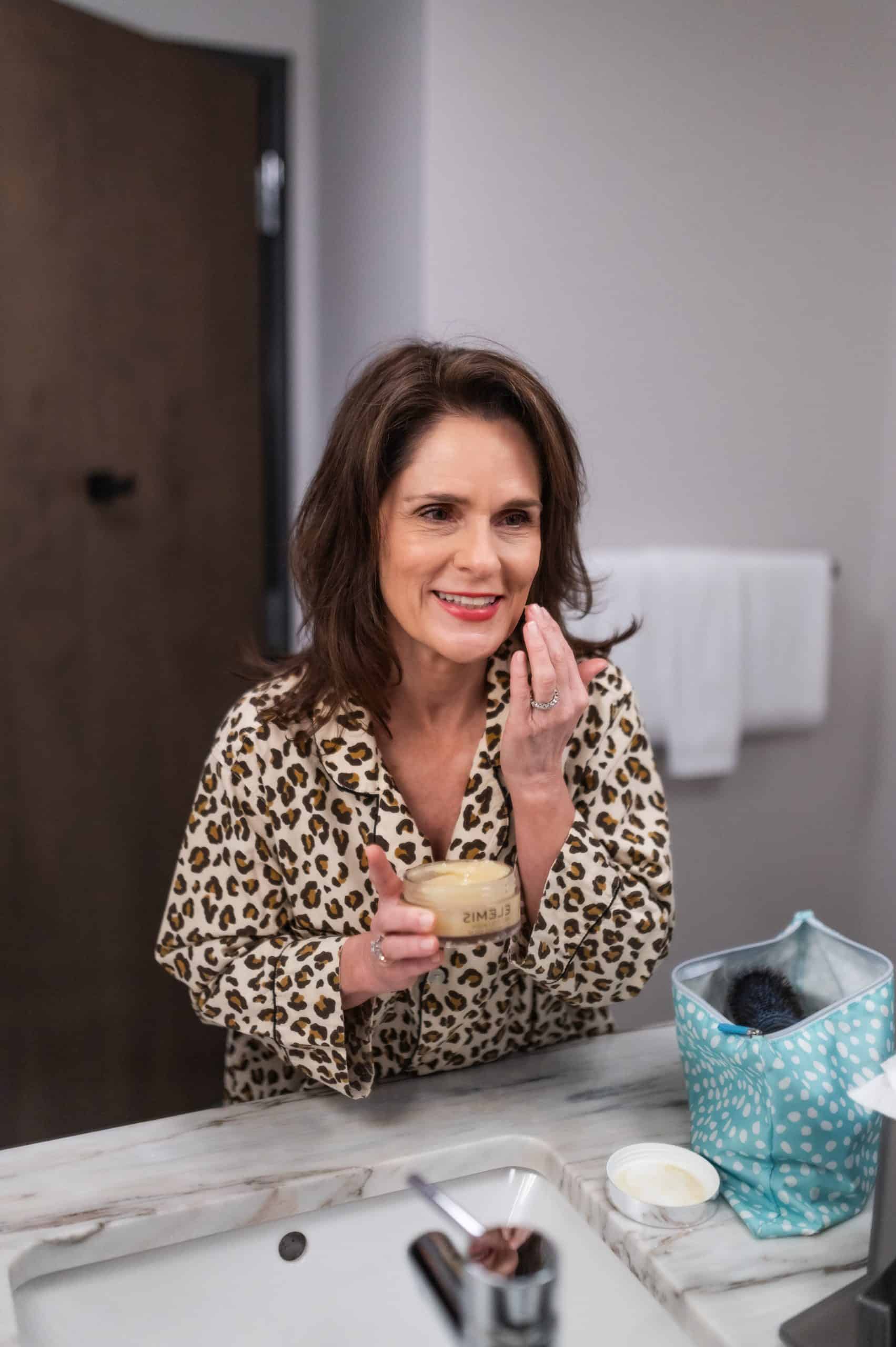
How To Have A Healthy Scalp For Beautiful, Healthy Hair
When was the last time you thought about your scalp? We spend so much time caring for our hair—choosing the right shampoo, trying new masks, aiming for shine and volume—but real hair health begins at the root. A healthy scalp is essential for strong, beautiful hair. In this guide, I’ll walk you through simple, effective ways to care for your scalp, so you can enjoy healthier hair from the roots up.
This post may contain affiliate links; if you click on a shopping link or picture and make a purchase, I may receive a small commission (at no cost to you), so thank you. I appreciate your support.
How To Have A Healthy Scalp: Easy Habits To Start Now
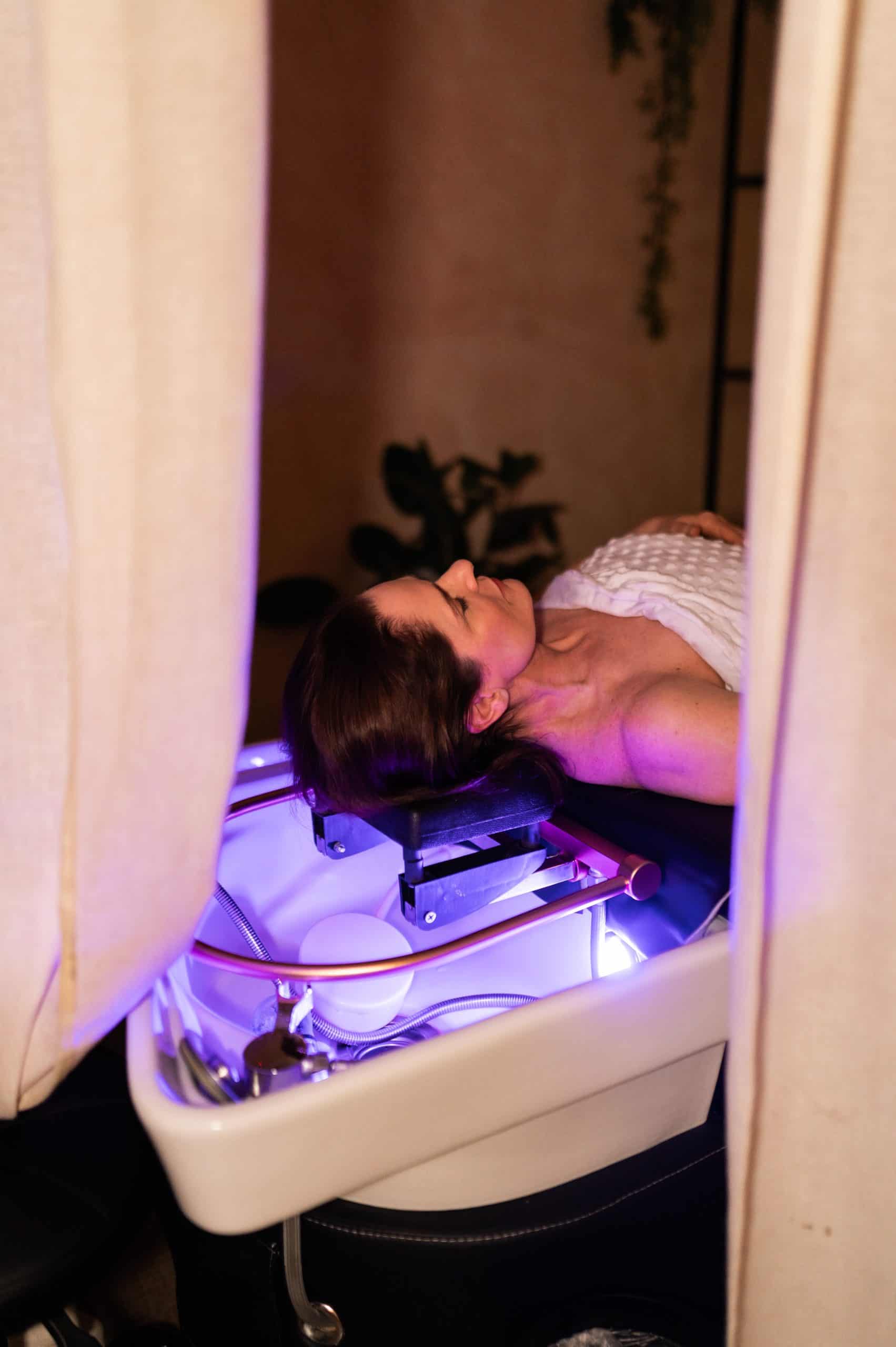
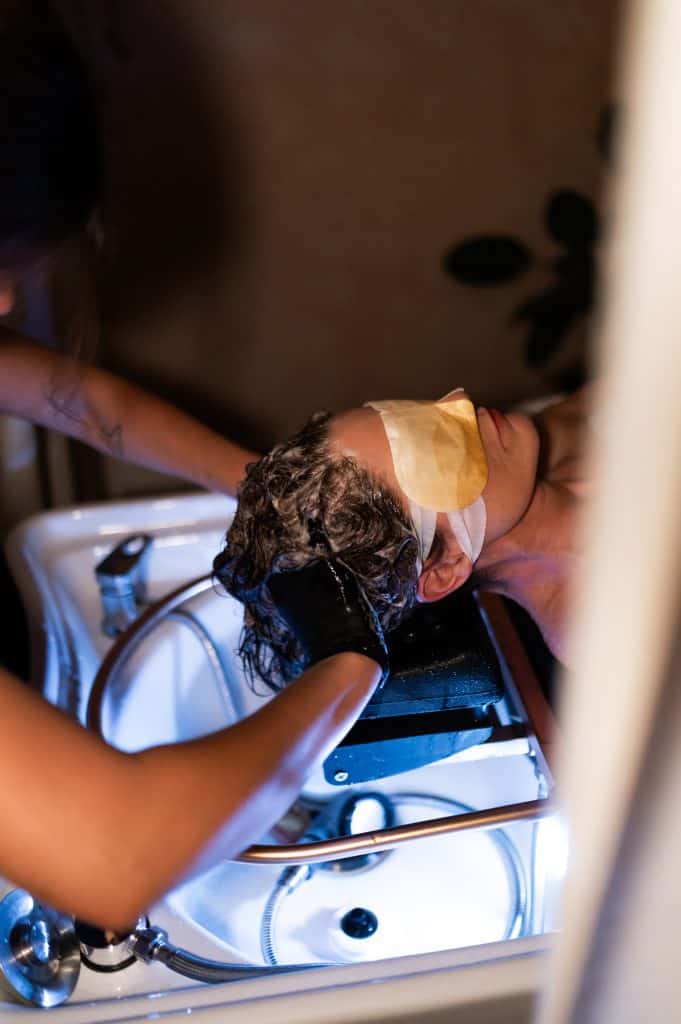
My healthy scalp journey began when I went to a local head spa in Atlanta. First of all, experiencing a head spa treatment is so relaxing. What impressed me most about my visit to the spa was that they analyzed my scalp and talked with me about the importance of scalp health.
Every time we wash, dry, and style our hair, we are using products and chemicals not only on our hair but our scalps. Build-up naturally occurs, which can affect the health of our hair. So think of it this way, we take the time to do a deep clean of our face, but what about the skin on our scalp? Ever since I visited the head spa, I have taken the time to treat my scalp kindly at home. Once you read my easy habits that you can start at home for a healthier scalp, I hope they become part of your regular beauty routine. I promise they won’t take long, and you will enjoy them.
Why Is Scalp Health Important?
A healthy scalp is the starting point or foundation of healthy hair follicles and hair strands. If you have a healthy scalp, then your hair gets the benefit of proper blood circulation, a healthy microbiome, and adequate sebum production.
The healthy blood flow is important because it delivers oxygen and other nutrients to the hair follicles, so they can grow. A healthy scalp that is free of product buildup and dead skin cells makes it so your hair follicles can sprout and grow. Our bodies produce an oil called Sebum. Sebum helps to moisturize and protect the hair and scalp. If your scalp isn’t healthy, then you can have too much or too little sebum. Too little and your scalp can be dry and itchy, too much and it can be too oily. That is why a balanced, healthy scalp is important to achieve and maintain.
Does Scalp Health Affect Hair Growth?
Yes, it does. Think of your head as a flower garden. Your scalp is the soil, and your hair is the flowers. If you don’t have healthy soil conditions, you won’t have pretty flowers blooming. So for your hair to sprout, grow, and thrive, it needs a healthy environment (your scalp) to live. Having a healthy scalp is necessary for you to have beutiful, healthy hair.
What Causes An Unhealthy Scalp?
There are many things that can cause us to have an unhealthy scalp. We don’t always think about it, but our scalp is part of our skin. Our skin is the largest organ in our bodies. Therefore, the scalp can have all sorts of skin issues, such as eczema and psoriasis, fungal infections, bacterial infections, and even allergic reactions or sensitivities to haircare products. Another unhealthy scalp issue is seborrheic dermatitis, or more commonly known as dandruff.
Oh, and we can’t forget about those pesky environmental conditions, such as stress and hormones (hello menopause), that can also have an impact on our scalp health.
Here are some of the most common symptoms of an unhealthy scalp:
- Itching, burning, or flaking
- Extreme oiliness, which can lead to oily hair
- Dry skin, which can lead to brittle hair
- Hair loss – could be thinning or bald patches
If you have any of these symptoms, you might want to make an appointment with a board-certified dermatologist to “get to the root of the problem”. They will be able to analyze your scalp and help you care for it so that it can be healthy.
What Does A Healthy Scalp Look Like?

When you have a healthy scalp, you don’t think about it. It feels comfortable—no constant itch, tightness, or soreness—and looks clean and even-toned. There’s no heavy oil, redness, or flaky buildup, just a balanced, healthy environment for hair to grow. The photo above is a great example of a healthy scalp.
How To Get A Healthy Scalp?
Cleanse Your Scalp Properly
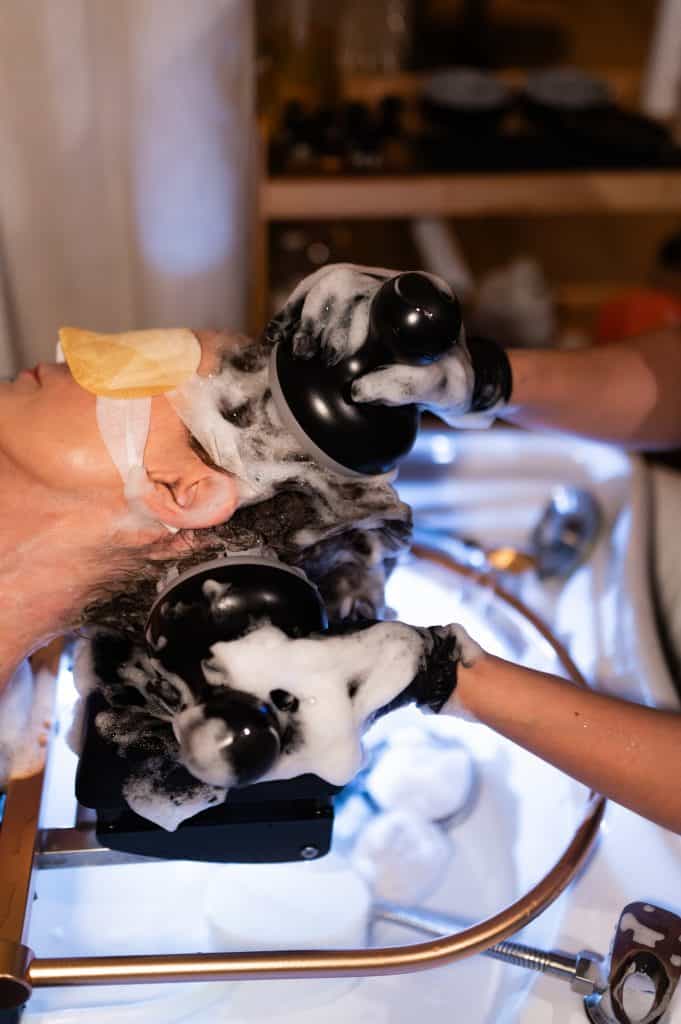
A clean scalp is a happy scalp. You want to make sure that you get all of the product buildup, oil, sweat, and dead skin away from the scalp so that your hair follicles don’t get clogged. Here’s the tricky part. You have to find the sweet spot that is right for your scalp when it comes to washing your hair. If you have an oily scalp you may need to clean the scalp 2-4 times a week. If you have a dry scalp, then you may only need to wash 1-2 times a week. Keep in mind your lifestyle as well. Do you sweat a lot during workouts especially in the summer? If so, you may want to wash more often.
You want to massage the correct type of shampoo into your scalp for 2-3 minutes. Maybe even do 2 rounds so that you get a big fluffy lather.
Product to use for this
If you have a healthy scalp, add a clarifying shampoo weekly or biweekly. I started using this product after going to the Head spa, and it makes my scalp feel so good after sweaty workouts. If you have an oily scalp, add in a balancing shampoo. If you have a dry scalp, add in a moisturizing shampoo.
Exfoliate Your Scalp Regularly
I compare this part of my healthy scalp routine to using a mask on my face. I know how good it feels for my skin, and it shows. Can’t see it as easily on my scalp, but I know it helps get rid of dead skin cells and prevents clogged hair follicles. This is something that you can do 1-2 times a week, depending on your scalp.
You want to wet your scalp. Apply a scrub or chemical exfoliant and gently massage it into your scalp in a circular motion. Follow the directions on the scrub to see if you need to let it set or not, and then rinse it completely. You can then wash your hair and condition it.
Products to use
You can use physical scrubs like sugar, salt, or microbead formulas for a balanced scalp. I love using this scrub on my scalp once a week. If I have a sweaty workout, I will also use this sea salt-based scrub. Have an oily, dandruff-prone, or flaky scalp, then you will want to use a chemical exfoliant with salicylic acid or AHAs. If you have a sensitive scalp you will want to add an enzyme treatment into your routine.
Hydrate and Nourish Your Scalp
You want to hydrate and nourish your scalp because a hydrated scalp is a happy scalp. A happy, healthy scalp promotes balanced oil production. Balanced oil production means healthy hair roots.
If you need to hydrate your scalp you can apply scalp serums or oils weekly. You will want to make sure that you choose a lightweight, non-clogging formula. Massaging oil into your scalp increases the blood flow and helps to distribute natural oils. Plus, it just feels good. Get yourself a little scalp massager and enjoy. You can even get an electric massager with different massage settings.
Products to Use
You can find scalp serums with hyaluronic acid that will hydrate your scalp. There are scalp oils made with jojoba, argan, and tea tree that have antibacterial properties. Leave-in tonics are great for hydration and balance.
Support A Healthy Scalp Barrier
Remember, we have to think of our scalp as our skin. Every day, we put lotions on our bodies and faces to protect the skin barrier from environmental issues. That is what we need to do with our scalp, so that it won’t get irritated. We want to protect it from overwashing, harsh styling, and chemical treatments.
Easy ways to support a healthy scalp barrier are to use gentle products with skin-friendly pH. Avoid products with sulfates and alcohol-heavy formulas. Last, but not least don’t use extremely hot water when washing your hair.
Products to Use
When buying shampoos and conditioners, you want to look for pH-balanced products. Barrier repair serums and soothing scalp masks are also good to use if your skin barrier needs a little extra TLC.
Address Scalp Issues Right Away
If you have persistent scalp issues, you may want to make an appointment with your board-certified dermatologist to talk about them. Untreated conditions like dandruff, dermatitis, or psoriasis can worsen over time. You want to keep inflammation down so you can have great hair.
Thanks, Let’s Keep In Touch
Thanks so much for stopping by today. Are you ready to have a healthy scalp and beautiful, healthy hair? A little extra care goes a long way. With these tips, you’ll be well on your way to stronger, shinier hair from the roots up. If you have any questions or favorite scalp-care products, I’d love to hear about them! Also, check out some of my other tips for easy ways to maintain a youthful appearance.
If you enjoyed this post, I’d love to stay in touch! You can sign up for my newsletter by clicking here—I send a little note every Wednesday and Sunday morning. It’s where I share behind-the-scenes thoughts, style tips, and things I don’t post anywhere else (plus links to the latest blog posts so you never miss a thing). Come join our little corner of the internet! You can also find me over on Instagram and Pinterest for more daily inspiration.